Science & Ingredients, 3D scientific animation · Cells & molecules
3D films and visuals that show the science of a product: its cells, molecules, ingredients and formula.
Beauty brands often need to show what a camera can’t film: an active ingredient, the cells it works on, the formula inside the bottle. I make these films and visuals in 3D from the brand’s science, in the same look as its product films, so they fit into the campaign.
I work with brands directly or with their agencies, from a few CGI shots for an edit to a full series that I direct with my team.
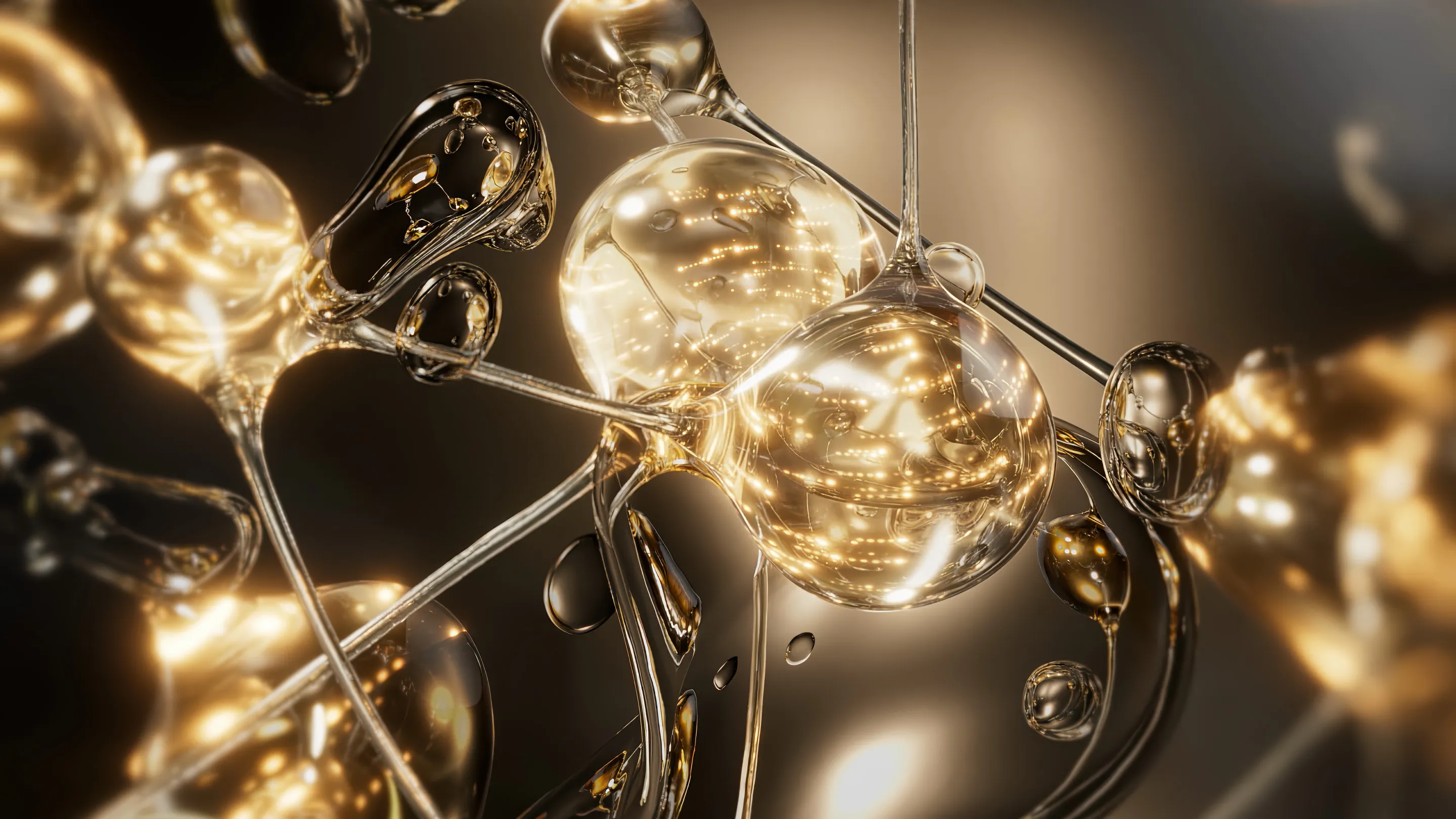
Cells and molecules
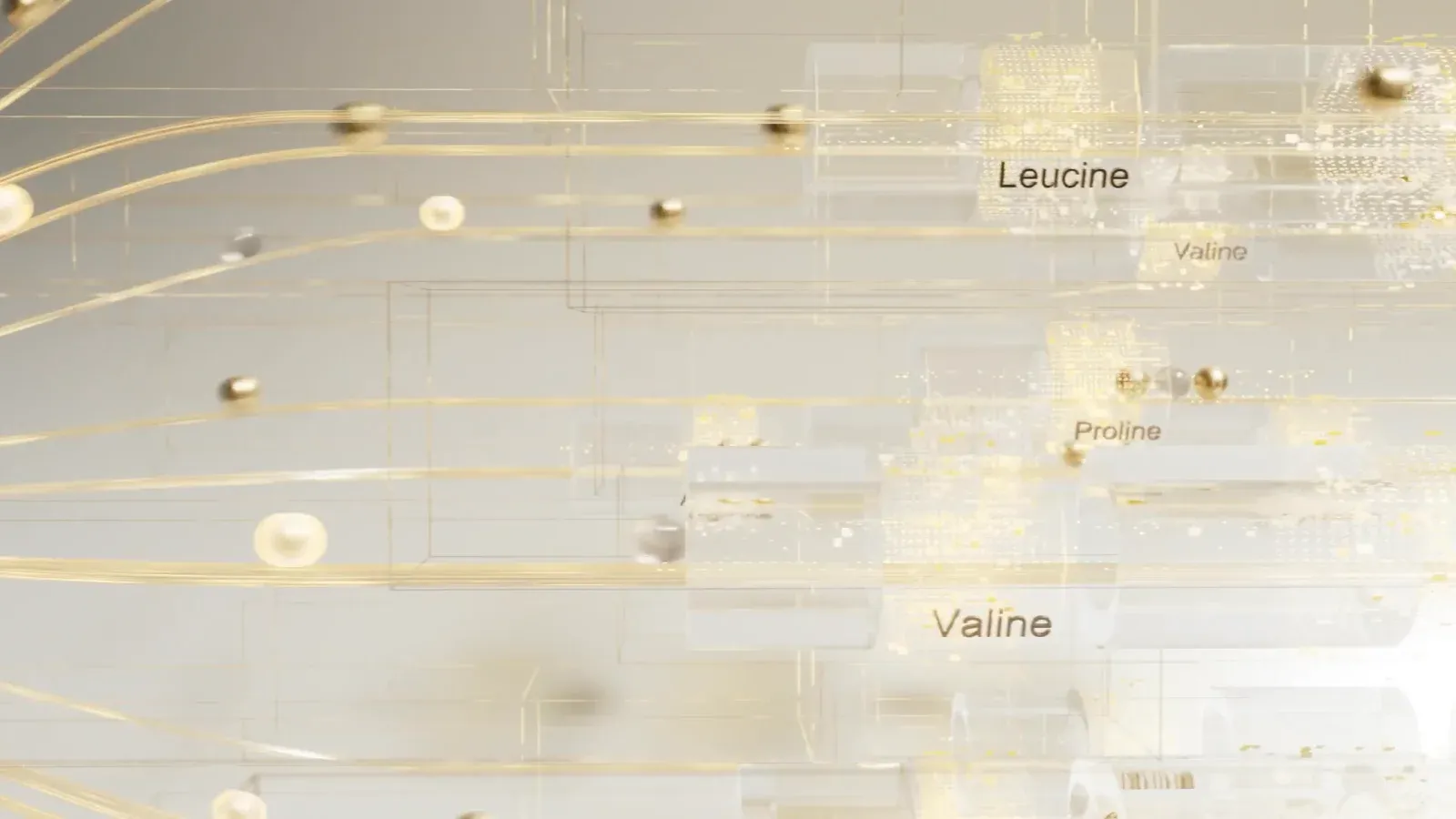
I design cells, molecules and peptides as objects made of the brand's own materials: gold, glass, light, or a colour taken from the packaging. The shape has to stay accurate enough to read, and still look like it belongs next to the product.
Most of the look comes from custom shaders and lighting. For the movement, I build procedural systems in Cinema 4D and X-Particles, so molecules can connect, sort themselves or morph from one structure into another.
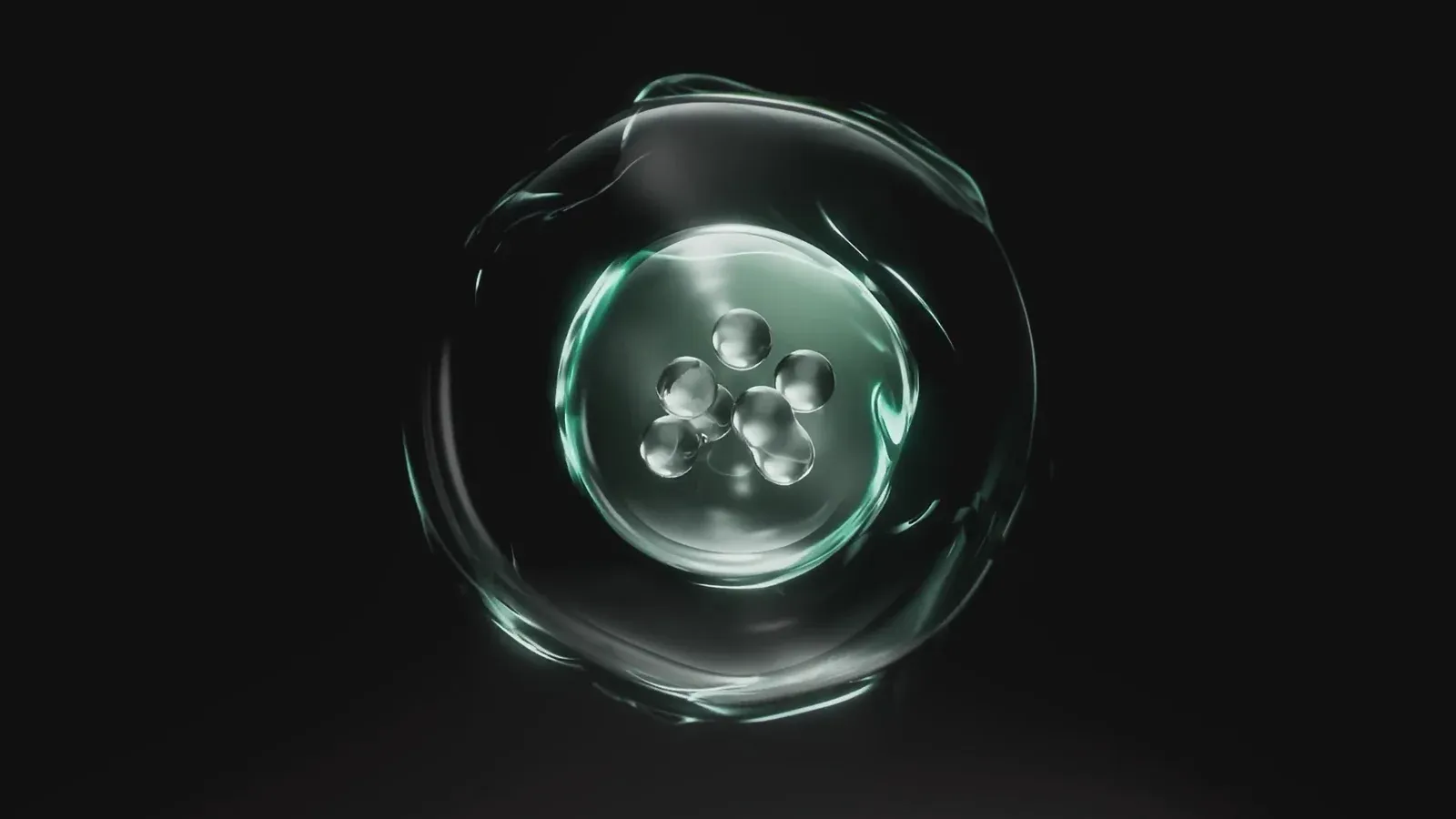

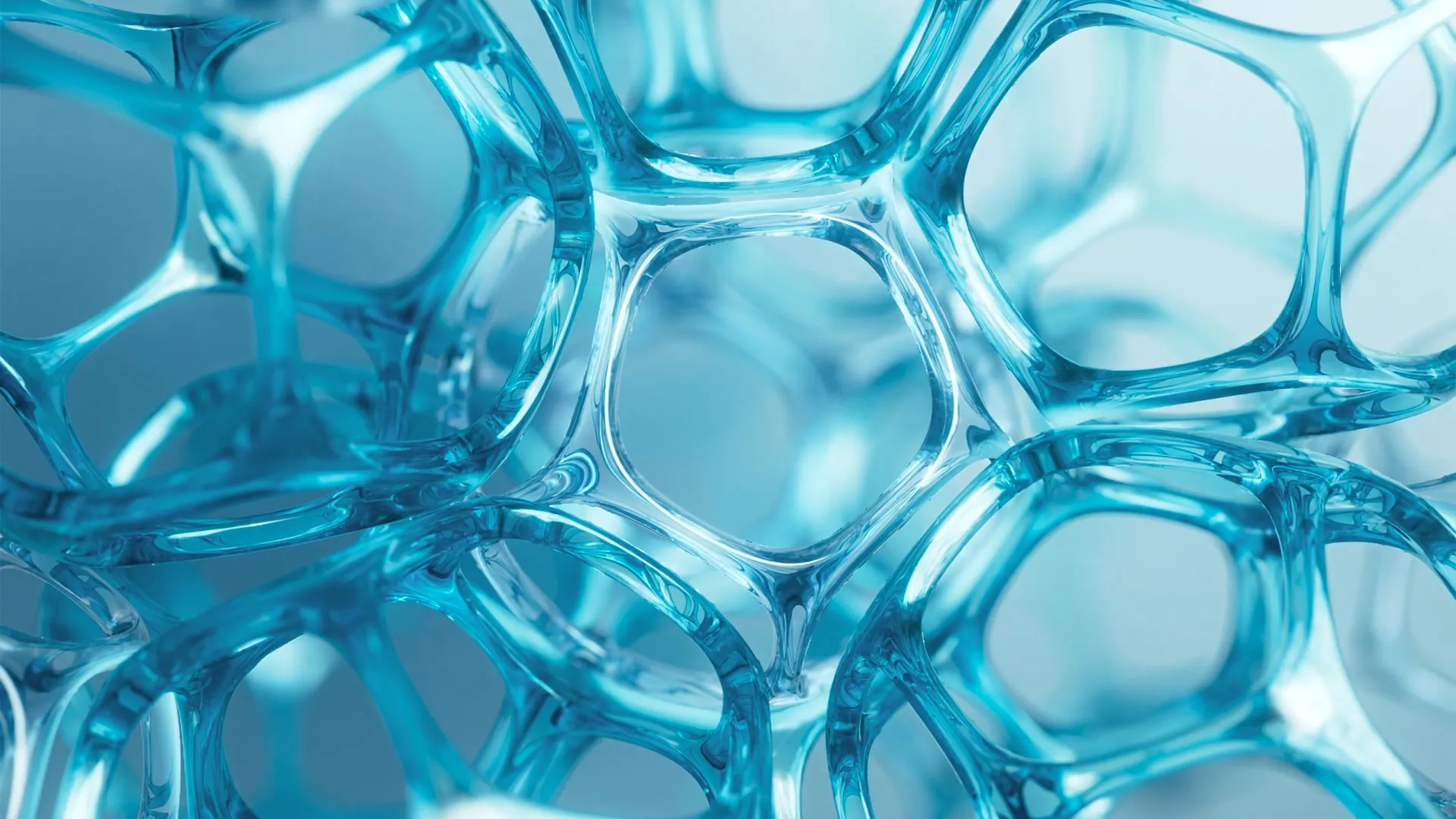
Abstract concepts
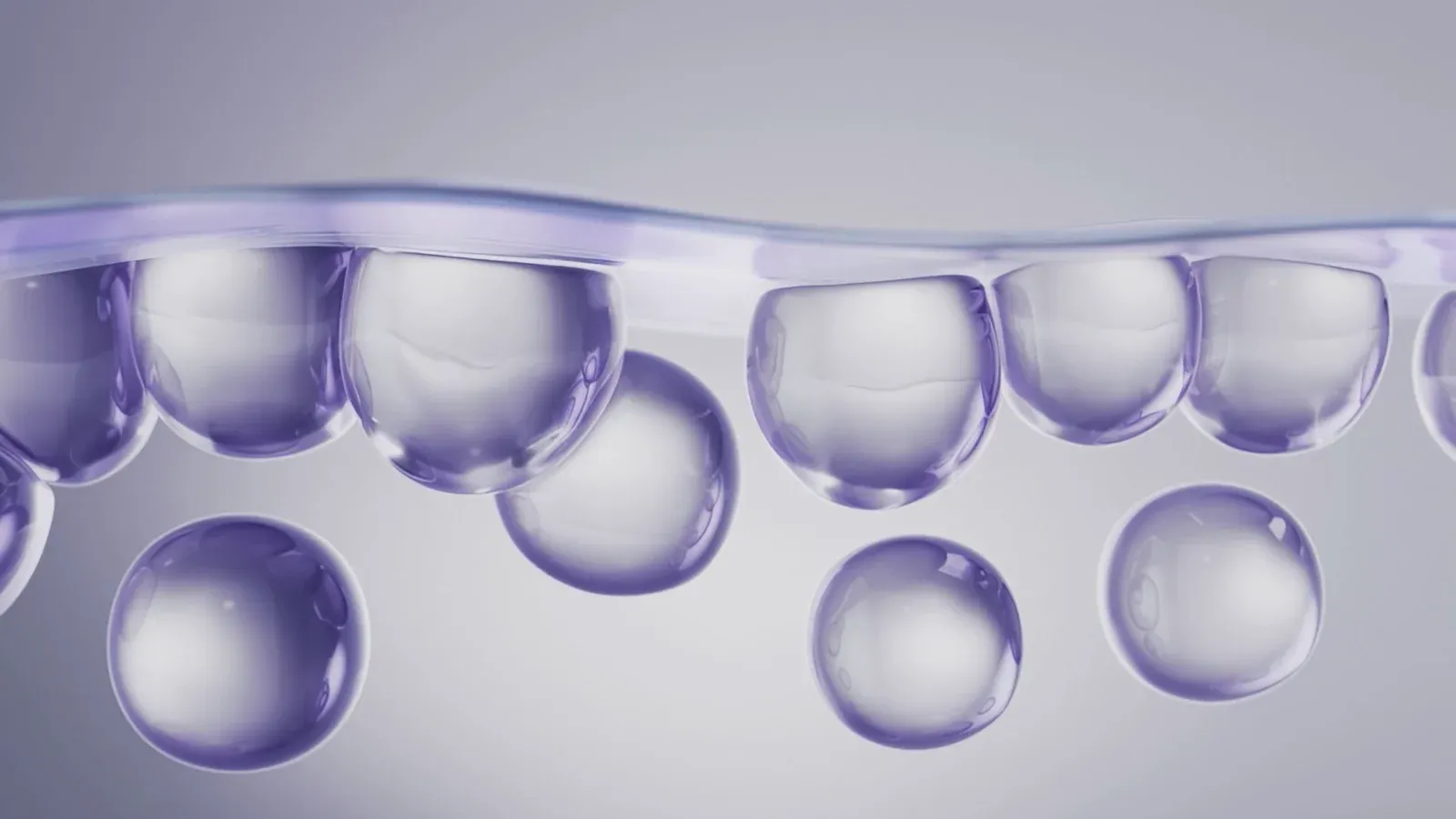
I show mechanisms like hydration, or an active ingredient going down through the skin's layers, as abstract concepts: stylized slices of skin crossed by an energy, a drop that spreads and lights up the cells it reaches, a cell travelling from one layer to the next. The idea stays clear and the image stays beautiful, in the same look as the product.
These shots use the same shaders as the cells and molecules, so the whole sequence reads as one film.
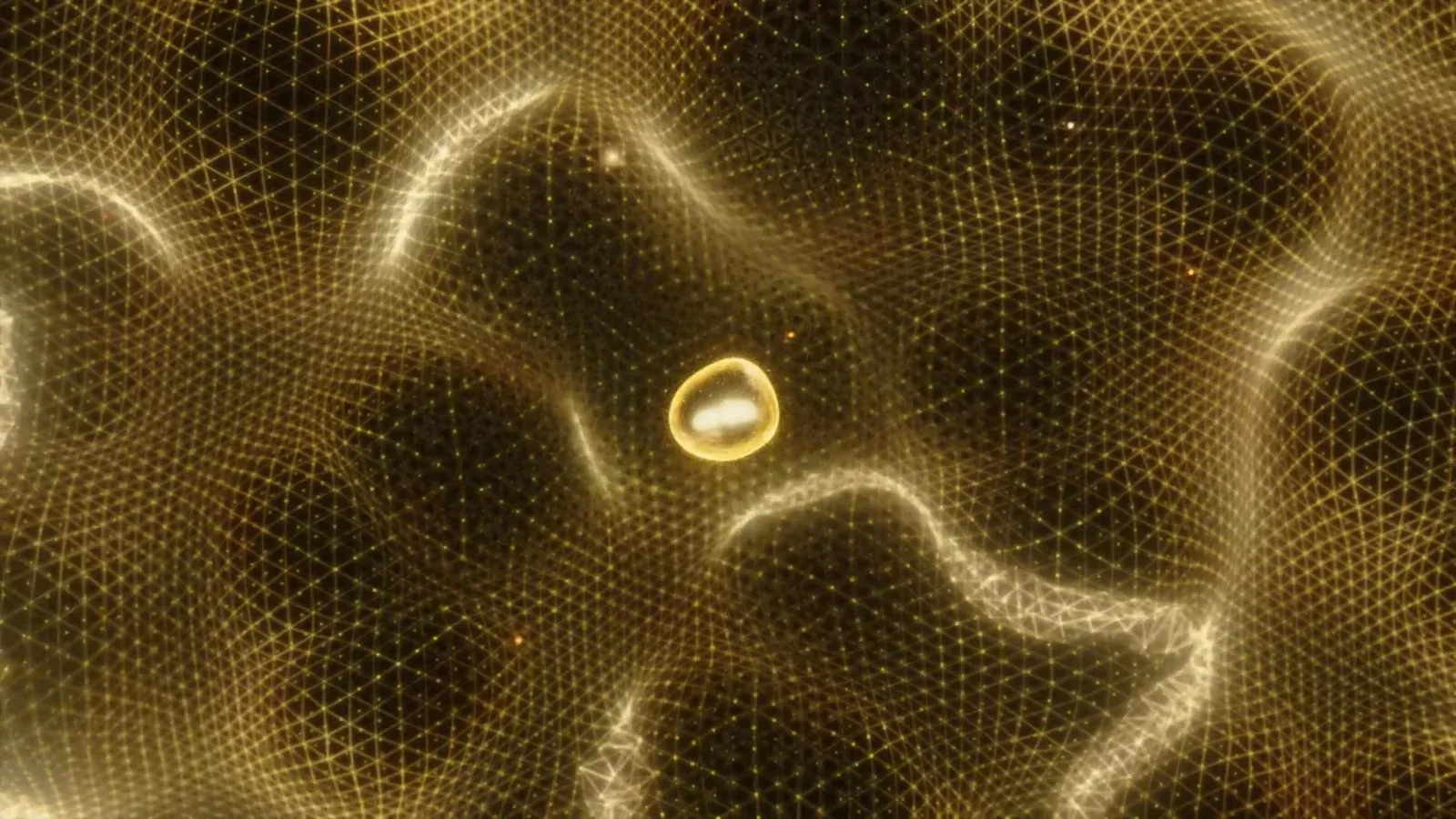

Ingredients
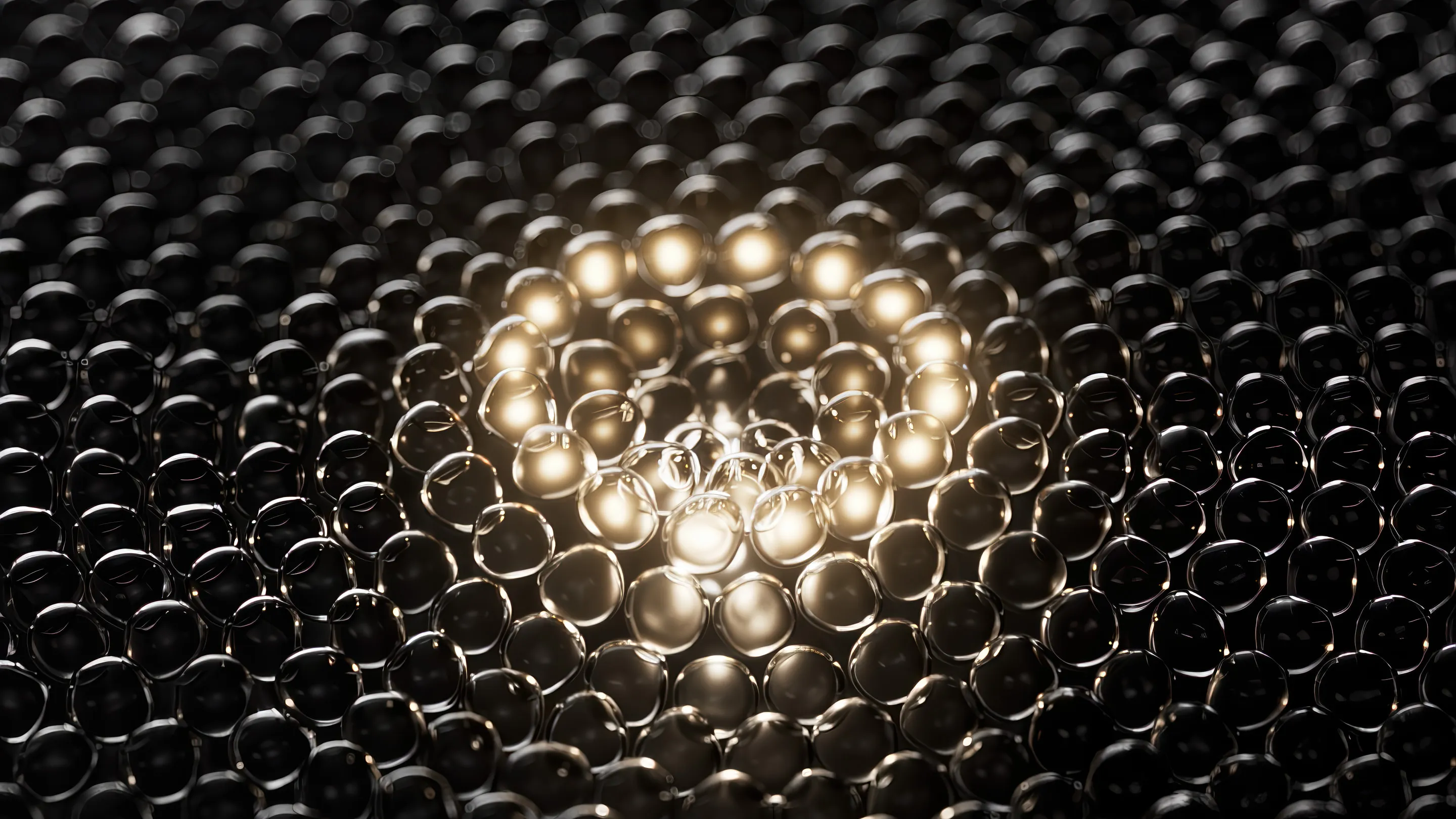
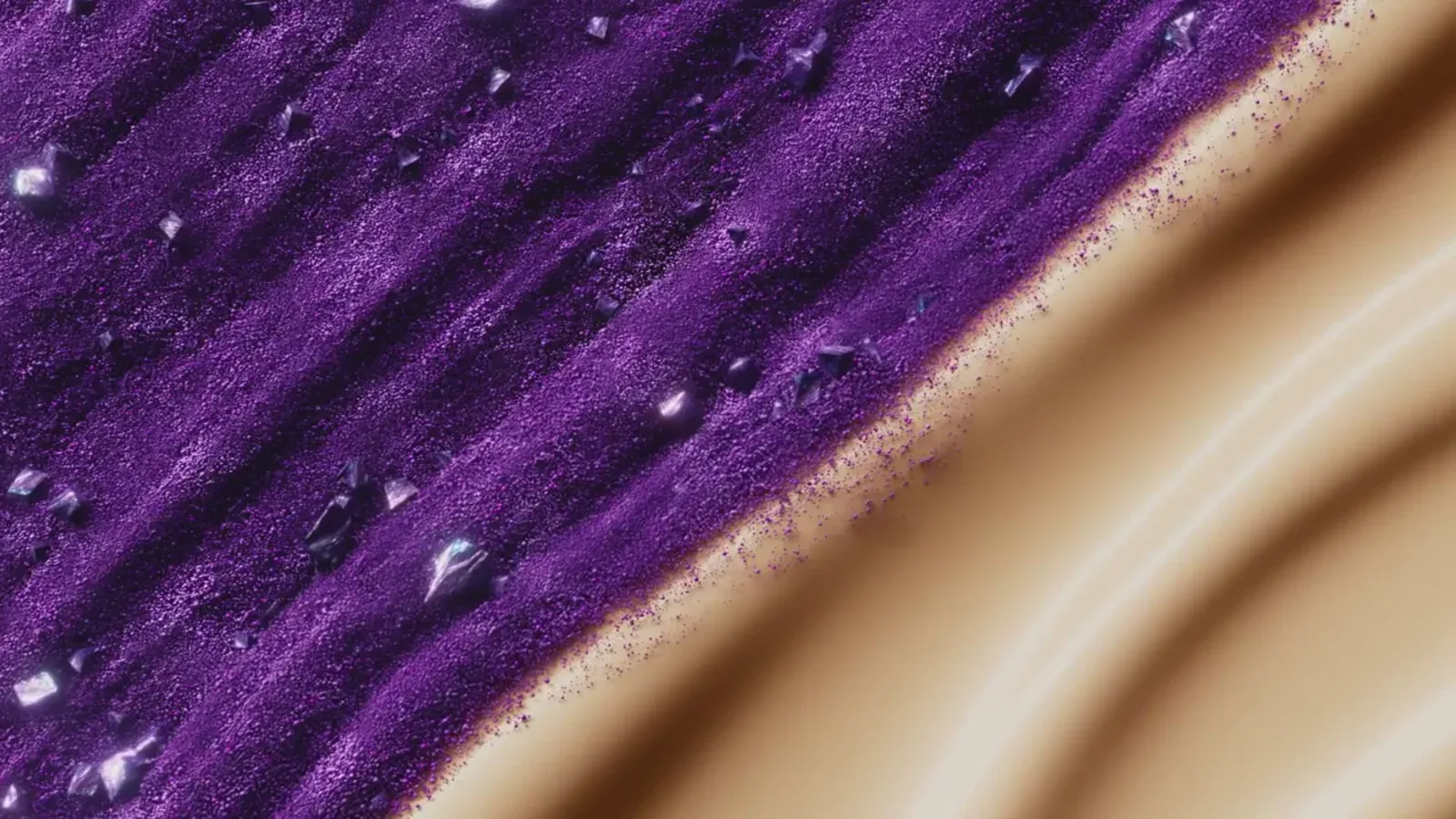
The key ingredient is often the hero of the film: a flower, a powder, an oil, golden bubbles. Built in CGI, its shape, size and look can be adjusted until they match what the brand has in mind, with procedural modeling in Houdini for organic forms like petals.
The team runs the simulations for powders, liquids and splashes. I handle the shading and lighting, so they read like a macro shot in a studio.


Inside the product
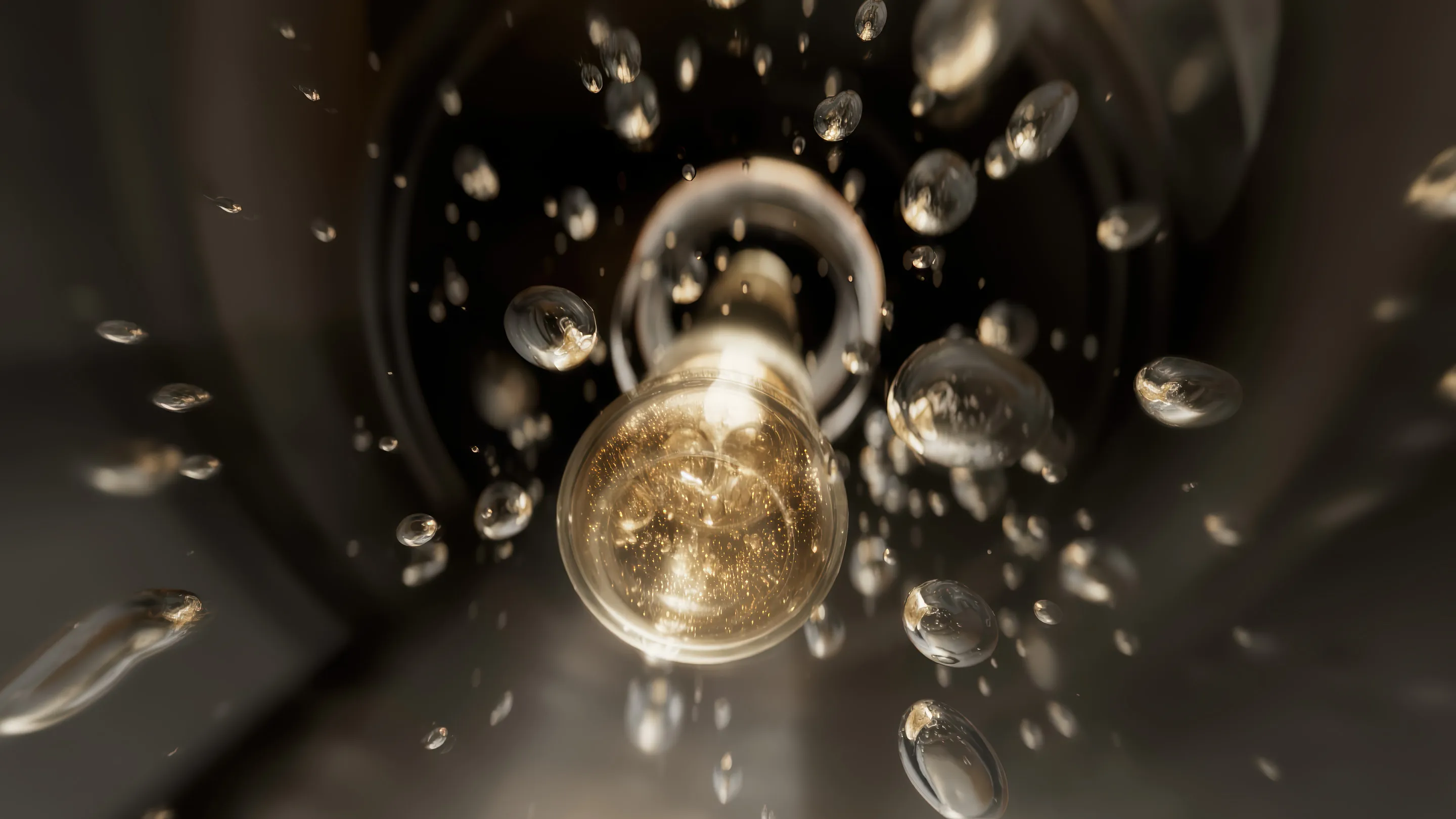
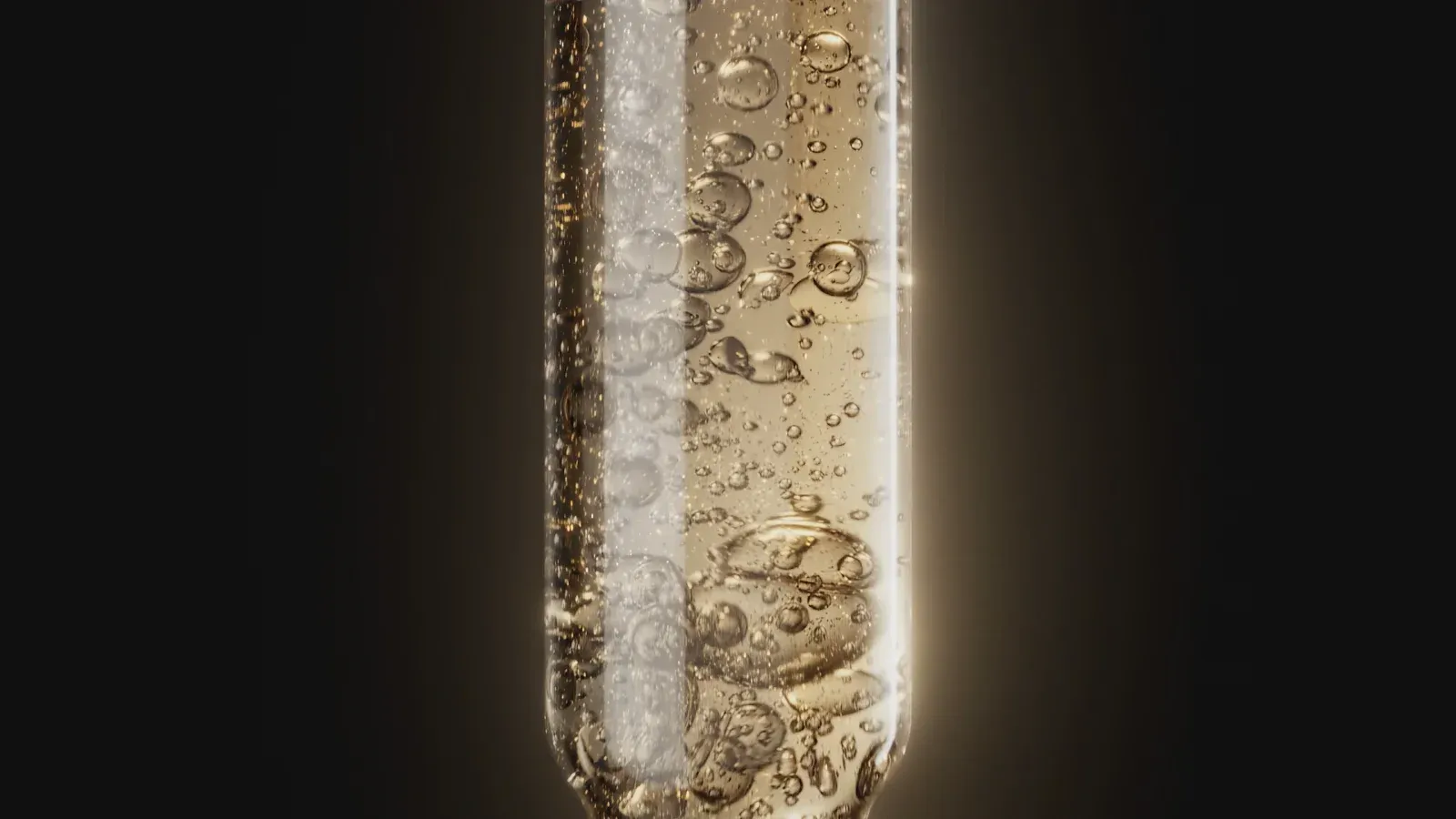
In 3D, the camera can go where a real one can't: inside the bottle, through the liquid and its bubbles, up the pipette, or into the structure of a material. The formula itself can take the form of particles or spheres that rise and gather where the product acts.
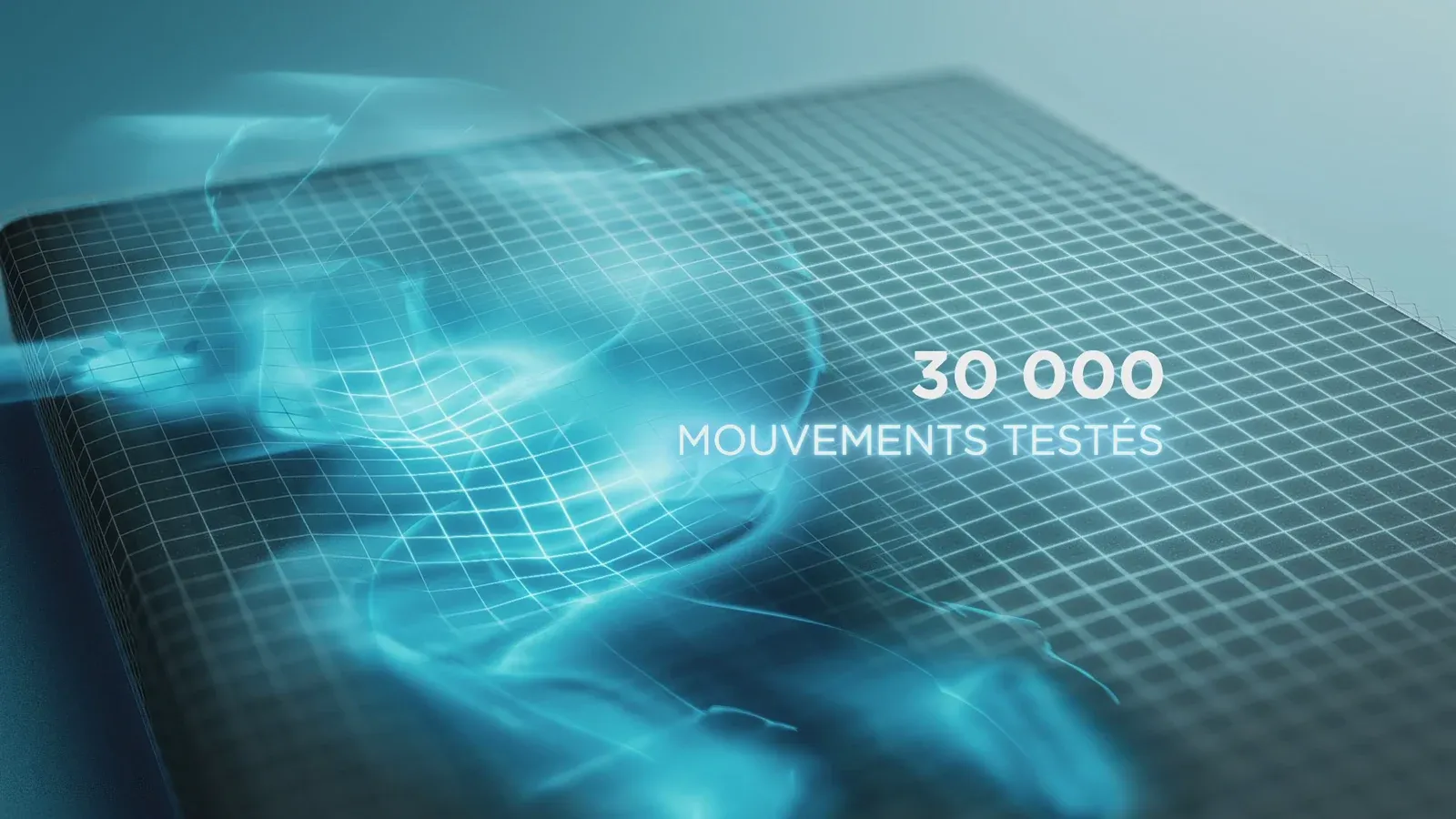
When something hidden has to be seen, I develop custom shaders for it. For an x-ray and pressure effect, I built an Arnold shader driven by the distance to the mesh and by ambient occlusion: a transparent body casts shadows into the material and shows where the pressure goes.
Graphs and data
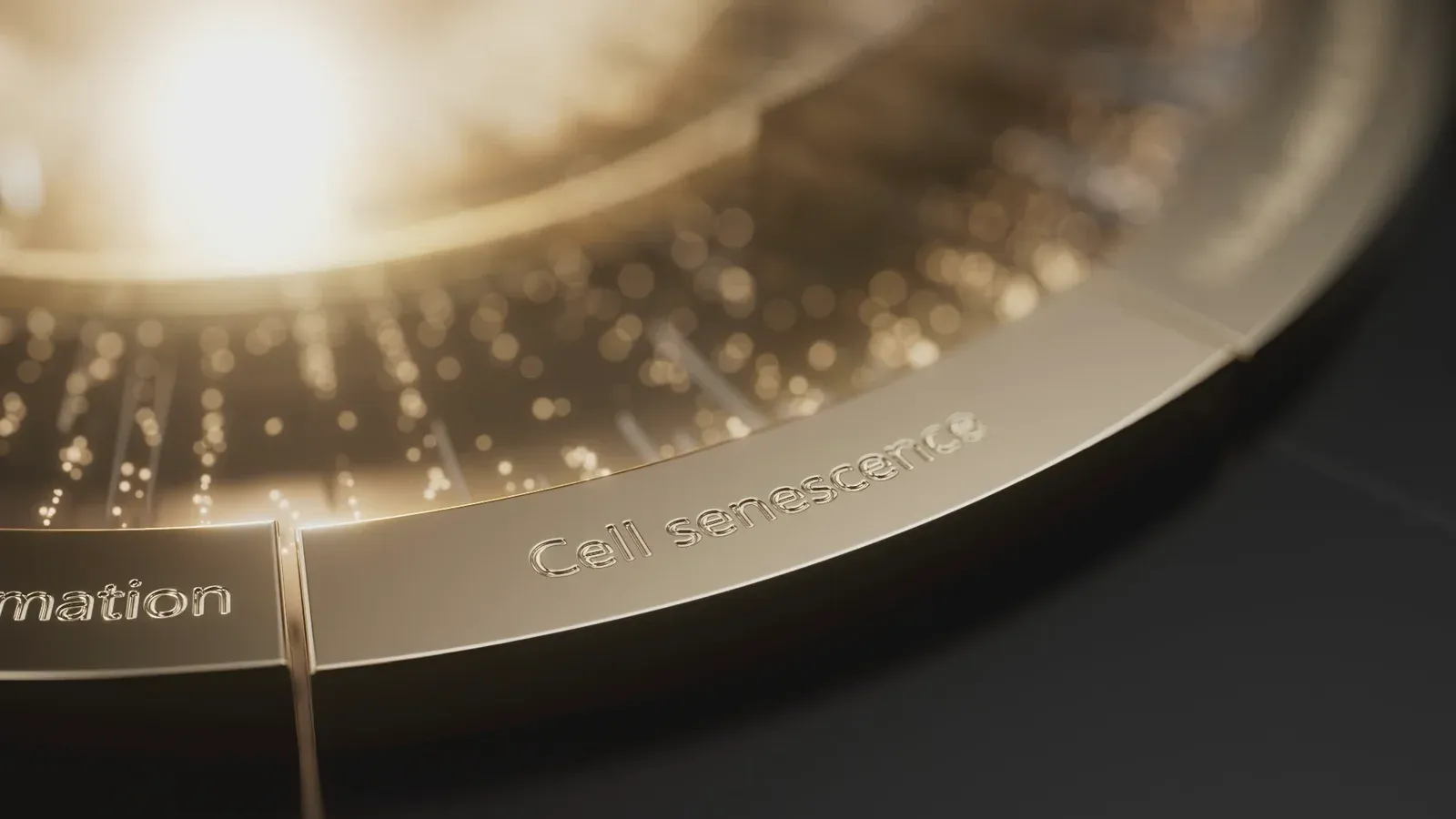
A science brief often arrives as a chart, a list of factors, figures or a test process. I turn them into 3D objects the camera can move around, like a wheel of factors in gold or an AI testing combinations of molecules, so the data holds up next to the product films.
I also make cells and molecules for the interfaces shown on screens during a live-action shoot, built to run on the real screens and be captured in camera.

What I deliver
- Mode-of-action and science films
- Cells, molecules and peptides in 3D
- Ingredient reveals and macro shots
- Science sequences for campaign films
- Animations for on-set screens and interfaces
- Stills from the same scenes
Clients


Questions
What is a mode-of-action animation?
A short film that shows how a product works: the active ingredient, what it acts on and the result. You'll also hear MoA film, science film or claims animation. It can sit inside the campaign film or run on its own.
Can you work from our scientific brief?
Yes. I start from what the brand's team provides, the claims, the diagrams, the ingredient, and turn it into images that stay accurate and easy to read.
Will it match our campaign?
That's the reason to do it in 3D. The science sequences use the same materials, colours and light as the product films, so they cut together.
Can you show an ingredient that's hard to film?
Yes. In CGI an ingredient can be built and adjusted until it looks right, and the camera can go inside the bottle or down to the scale of a cell, where a real camera can't.
Is it only for beauty?
Most of this work is for skincare and haircare, but it works for any product with a technology to explain, such as a material or a mechanism.
Have a formula to explain?
Send me the brief, the science behind it and where the film will run.